Entertainment
Netflix Subscribers Are Upset over the Cancellation of Shows

For years, Netflix was the undisputed king of streaming, a platform that gave creators the freedom to tell bold stories and gave audiences the confidence to invest their time in new worlds. But in 2026, that relationship has soured.
Subscribers are not just complaining; they are organizing, cancelling memberships, and publicly declaring that they no longer trust the platform to finish what it starts. The issue is not merely the cancellation of a few shows. It is a systemic failure that has turned Netflix from a destination for appointment viewing into a revolving door of unfinished narratives.
The Unforgivable List: 2026’s Fan-Favorite Casualties
Between January and April 2026 alone, Netflix axed at least nine original series, several of which had passionate followings and critical acclaim. The cancellations have become so frequent that fans have begun compiling lists of shows that ended on cliffhangers, never to be resolved.
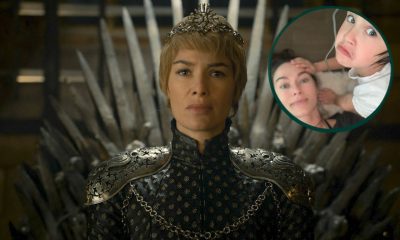
The Abandons: This big-budget Western starring Lena Headey and Gillian Anderson was canceled after just one season. Showrunner Kurt Sutter publicly blasted the decision, writing: “Dear Netflix, next time fear compels you to choose the algorithm over a creator’s vision, remember how that choice unraveled a potentially beautiful project.”
The Vince Staples Show: Despite scoring a 94 percent critics rating on Rotten Tomatoes, this critically acclaimed series was canceled after two seasons due to a failure to reach a wide audience. The decision was seen as a signal that quality alone does not guarantee survival on Netflix.
Terminator Zero: The creator of this animated series confirmed its cancellation, adding it to Netflix’s growing graveyard of unfinished projects.
Class: This Indian adaptation of the hit Spanish teen drama Elite was given a green light for a second season before Netflix abruptly reversed its decision, canceling it in early 2026. The reversal was particularly shocking because production had already begun planning for the next installment.
Alice in Borderland: Though the Japanese sci-fi series was allowed to conclude, lead actor Tao Tsuchiya expressed surprise that it ended, hinting that the creative team had hoped for more seasons.
Billionaires’ Bunker: This Spanish psychological thriller was canceled after a single season due to weak audience retention and poor reviews, though fans of the genre argued it never had time to find its footing.
These cancellations share a common thread: they were announced weeks after their respective releases, suggesting that Netflix’s internal metrics prioritize immediate performance over long-term potential. Shows that do not generate massive buzz within the first 28 days are deemed failures, regardless of their critical reception or the size of their dedicated fanbase.
The Algorithmic Tyranny: Data Over Devotion
At the heart of the subscriber outrage is Netflix’s reliance on a secretive, data-driven strategy. The company has long operated under what industry insiders call the 28-day viewership rule: if a show does not meet its internal completion rate targets within a month of release, it is canceled. This approach treats television as a product to be optimized rather than an art form to be nurtured.
Netflix’s infamous personalization algorithm, which costs an estimated $1 billion annually, is designed to keep viewers glued to the screen. But critics argue that the same algorithm has turned against creators, prioritizing shallow binge content over complex, slow-burning narratives. Shows that require patience or build word-of-mouth over time are systematically disadvantaged.
Chief Executive Officer Ted Sarandos has repeatedly stated that Netflix has “never canceled a successful show.” But his definition of “success” is purely financial: a show must attract enough viewers relative to its budget. Creative merit, cult followings, and long-term brand value do not factor into the equation. For subscribers, this logic feels cold and dismissive.
The Price of Betrayal: Rising Costs and Broken Promises
The cancellation crisis has been compounded by a series of price hikes that have left subscribers feeling exploited. Long-time users have watched their monthly bills creep from an affordable $8.99 to as much as $22.99, yet the value they receive—particularly the reliability of their favorite shows—has demonstrably declined.
In a particularly insulting twist, it was revealed that while canceling beloved shows to save money, Netflix collected a staggering $2.8 billion breakup fee from its failed merger with Warner Bros. Discovery. This financial windfall made the simultaneous price hikes and show cancellations feel less like a necessity and more like a corporate cash grab. Social media erupted with calls to cancel subscriptions, and hashtags such as #BoycottNetflix trended repeatedly throughout early 2026.
Subscribers are now asking a fundamental question: why pay premium prices for a service that refuses to commit to its own programming?
A Broken Promise: The Erosion of Viewer Trust
The most significant consequence of Netflix’s cancellation strategy is the complete erosion of viewer trust. Subscribers are actively changing their viewing habits in ways that ironically harm the very shows they want to save. Some now refuse to start any new Netflix series until a second season has been confirmed. Others wait until an entire series has concluded before investing their time. And a growing number are simply canceling their subscriptions out of exhaustion.
One Reddit user, whose comment was upvoted thousands of times, captured the sentiment: “Cancel your subscription. I don’t mean this as a ‘you complain about capitalism but participate in it’ thing. I mean it pragmatically. They are streamlining, focusing on cheap and easy, cutting corners. I am not enjoying genuinely anything I watch through them anymore.”
This is not merely frustration over lost entertainment. It is a sense of betrayal. Subscribers invested emotionally in characters and stories, only to have those narratives abandoned without resolution. The practice has turned Netflix from a trusted partner in storytelling into an unreliable gamble.
The Global Crackdown: When Cancellations Cross Borders
The frustration with Netflix has spilled far beyond the realm of television dramas and has erupted on the world stage in 2026, exposing how the company’s rigid policies can alienate entire cultures.
The Japanese WBC Fiasco: In March 2026, Japan, the defending World Baseball Classic champion, suffered an early exit from the tournament. The anger, however, was not directed at the players. For the first time, the WBC was broadcast exclusively on Netflix with no terrestrial television coverage.
Fans who could not access or afford the stream felt robbed of a national event. Following the loss, social media was flooded with screenshots of canceled Netflix accounts as a form of protest against the platform’s iron grip on beloved sport. Japanese subscribers did not just cancel over a show; they canceled over a perceived cultural disrespect.
The Russian Class-Action Lawsuit: In a separate legal battle, Russian users filed a class-action lawsuit for 60 million rubles after Netflix abruptly withdrew from the country, arguing that the sudden exit violated consumer protection laws and their contractual rights. While the geopolitical context was unique, the underlying grievance was familiar: Netflix had made a commitment and then walked away, leaving subscribers with nothing.
The Future of the Streamer: A Crossroads
As Netflix heads into the remainder of 2026, it stands at a critical juncture. The platform remains a behemoth, generating massive revenue and boasting the most popular user interface in the industry. Its library of legacy hits—Stranger Things, The Crown, Bridgerton—continues to draw subscribers. But its lead is built on shaky ground.
The platform has created a paradox: to feed its algorithm, it must constantly churn out new content, but its willingness to ruthlessly cancel series has turned its once-rabid fanbase into a jaded audience that expects disappointment. New shows struggle to gain traction because viewers are afraid to commit. And when those shows fail to meet immediate metrics, Netflix uses that very failure as justification for cancellation. It is a self-fulfilling prophecy of failure.
The danger for Netflix is that this is not merely a public relations problem. It is a structural one. If audiences refuse to invest in new shows for fear of cancellation, the platform will have no choice but to rely on its few remaining legacy hits. Eventually, those will end, and Netflix will be left with a library of unfinished stories and a rapidly declining cultural relevance.
What Subscribers Want
Surveys and social media analysis reveal a clear set of demands from frustrated subscribers. First, they want transparency. Netflix currently releases only selective viewership data, often celebrating hits while burying failures. Subscribers want to know how their favorite shows are actually performing.
Second, they want commitment. Many have called for Netflix to adopt a minimum two-season guarantee for all original series, similar to models used by some other streaming platforms. This would allow creators to tell complete arcs and give audiences the confidence to invest.
Third, they want accountability. The current cancellation process is opaque and feels arbitrary. Subscribers want to understand why certain shows are saved while others are axed.
Finally, they want Netflix to remember what made it successful in the first place: taking risks on unconventional stories and trusting audiences to find them. The algorithm was meant to serve that mission, not replace it.
Conclusion
The cancellation crisis at Netflix is not a passing storm of online complaints. It is a fundamental breach of the social contract between a streaming platform and its subscribers. When audiences pay for access to a service, they are not merely buying hours of content. They are buying the promise that the time they invest will be respected. Netflix has broken that promise repeatedly, and the consequences are now visible in falling subscriber growth, rising cancellation rates, and a growing cultural narrative that the platform cannot be trusted.
Whether Netflix will course-correct remains to be seen. The company has survived controversies before. But the cancellation crisis is different because it strikes at the very reason people subscribe to a streaming service in the first place: the belief that the stories they love will be allowed to finish. Without that belief, Netflix is just a collection of unfinished pilot episodes. And that is not a library anyone wants to pay for.








Netflix Subscribers Are Upset over the Cancellation of Shows
For years, Netflix was the undisputed king of streaming, a platform that gave creators the freedom to tell bold stories...


Inside Andrew McCarthy and Wife Dolores Rice’s Relationship and Children
Andrew McCarthy rose to fame as a member of Hollywood’s iconic “Brat Pack” in the 1980s, starring in beloved films...


Who Are James Lance’s Parents? His Nationality, Ethnicity, and Family
James Lance has become a beloved figure in television, known for his sharp wit and memorable performances. He first captured...


Is NASA Astronaut Christina Koch Related to the Koch Brothers? Here’s the Truth
There is no known family connection between NASA astronaut Christina Koch and the billionaire Koch brothers, Charles and David Koch....


The Love Story of Christina Koch and Her Husband Robert
Christina Koch’s life is defined by extremes: months on the International Space Station, a voyage around the Moon, and a...


One Piece Chapter 1181: Release Date, Spoilers, and the Elbaf Climax
One Piece Chapter 1181 is set to continue the chaos in Elbaf as Imu unleashes his terrifying power on the...


Alice in Borderland Season 4 Canceled: Why Netflix Ended the Series After Season 3
The news came not with a bang, but with a quiet update buried in a routine corporate report. For fans...
-

 Actor4 weeks ago
Who Is Oscar Morgan’s Partner? Gay Rumors and the ‘Wednesday’ Star’s Private Life
-

 Entertainment4 weeks ago
How Much Do ‘Alone’ Contestants Get Paid? Prize Money, Stipends & Financial Reality
-

 Internet Stars3 weeks ago
YouTube Star Bailey Sarian Dating New Boyfriend After Fernando Valdez Breakup
-

 Actress4 weeks ago
Inside Elle Chapman and Boyfriend Patrick Luwis’s Private Dating Life
-

 Internet Stars3 weeks ago
Is Lexi Rivera Dating a Boyfriend in 2026? Into Her Love Life
-

 Sports2 weeks ago
Is Carlos Ulberg Married? Exploring the UFC Champion’s Wife and Relationship Status
-

 Actress4 weeks ago
‘AKOTSK’ Star Rowan Robinson Has Been Dating a Musician Since 2024
-

 Actress4 weeks ago
Is Emily Tennant Married? Meet the Actor She’s Been Dating for Years